You Are Some Bun Svg: A Designer's Real-World Embroidery Review
When I first opened the folder for You Are Some Bun Svg, my initial reaction was a mix of amusement and professional curiosity. In a sea of generic floral patterns and standard typography, this design stands out because it carries a specific mood. It isn't just text; it is a personality. For anyone looking to create custom apparel or personalized gifts, the visual weight of this file suggests it belongs in projects that require a touch of humor and warmth.
As an experienced designer who has stitched thousands of designs on everything from delicate baby onesies to heavy-duty work aprons, I approach every new download with a critical eye. Does it stitch cleanly? Will the thread density hold up after washing? Is the layout versatile enough for different products? This review breaks down exactly how You Are Some Bun Svg performs when moved from a digital screen to a real embroidery machine, focusing on practical application for crafters, Etsy sellers, and boutique owners.
The First Stitch: Visual Impact and Design Personality
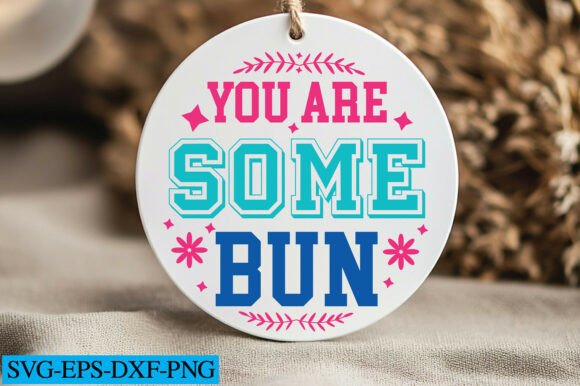
The strength of this design lies in its simplicity. The phrase "You Are Some Bun" creates an immediate sense of comfort and playfulness. Unlike complex pictorial scenes that can get lost in dense fill stitches, this graphic relies on clear lettering and a distinct shape. When viewed as a potential tote bag design or a sweatshirt embroidery piece, the layout feels balanced. It doesn't scream for attention so loudly that it overwhelms the garment; instead, it invites a smile.
In terms of stitch density, the design appears optimized for clarity. High-density fills often cause fabric puckering, especially on thinner materials like cotton tees or linen napkins. However, this file seems to strike a good balance between satin stitch for outlines and fill stitch for body text. This ensures that the final product looks crisp without feeling stiff to the touch. The visual personality is perfect for holiday embroidery projects where a lighthearted message fits the season's vibe, or for baby embroidery items where soft, positive messages are highly valued by parents.
Real-World Application: From Digital File to Finished Product
Let's imagine a scenario. You are preparing a batch of custom embroidered tote bags for a local craft fair. You need something that catches the eye but remains professional enough for a boutique setting. Placing You Are Some Bun Svg on a natural canvas tote creates an instant brand identity. The contrast between the dark threads and the light fabric makes the message pop, while the rounded shapes of the letters soften the overall look.
This design also shines when applied to kitchen towels or aprons. As a kitchen towel decoration, the playful quote adds character to a functional item. It transforms a simple utility object into a memorable gift. Similarly, for custom apparel like hoodies, the design works well as a chest pocket accent or a centered back print. The versatility allows it to fit seamlessly into a small shop product line, whether you are selling handmade goods online or at a physical market.
For Etsy sellers and digital product sellers, the inclusion of multiple formats is a significant advantage. Receiving SVG files, PNG files, EPS files, and DXF files means you aren't limited to one type of machine or workflow. You can use the SVG for cutting machines if you decide to do applique, or use the DXF for traditional machine embroidery. This flexibility is crucial for maintaining a consistent brand across different product types, such as creating matching embroidered patches and printed mockups.
Where to Exercise Caution: Fabric and Hoop Constraints
While this design is robust, no single machine embroidery design is perfect for every situation. There are specific scenarios where You Are Some Bun Svg might present challenges. If you are working with a very small hoop size, the detail in the lettering could become too crowded. Tiny lettering on a small surface area often results in thread breakage or loss of definition during the stitching process.
Fabric choice is another critical factor. On stretchy fabrics like jersey knits, high-density stitching can cause the material to pucker significantly. While stabilizers help, the tension required to stitch this design might distort the fabric if not managed carefully. Similarly, on textured fabrics like fleece or boucle wool, the fine details of the design might get lost in the weave. Dark fabrics also require careful consideration regarding thread color contrast. If the background is black and the design uses light threads, the edges may appear fuzzy unless a high-quality underlay is used.
Curved surfaces, such as caps or hats, add another layer of complexity. While the design is likely scalable, the curvature of a cap can alter the perceived spacing of the letters. It is essential to test the design on a curved surface before committing to a large production run. Additionally, for products that need frequent washing, like aprons or tea towels, ensure that the thread colors are colorfast and that the stitch density is sufficient to prevent fraying over time.
Professional Notes for the Embroidery Designer
If you are planning to use this design for commercial embroidery or to create finished items for sale, there are several technical steps you must take. First, always test the design on scrap fabric that matches your final product. This allows you to check thread color contrast and ensure the hoop size accommodates the design without wasting space. Inspect the small details closely; sometimes, what looks clear on a screen can look muddy once stitched.
Reviewing the stitch density is vital for preventing fabric distortion. If the design feels too heavy, consider adjusting the density settings in your software. Confirm whether the design works for both personal and commercial projects by checking the license terms provided with the download. Using a design for resale without proper licensing can lead to legal issues, so verify these details before listing your items on platforms like Etsy.
Another practical tip is to test the design in black and white mockups. This helps visualize how the design will look against various backgrounds without the distraction of color. Compare light and dark fabric backgrounds to see which offers the best visibility. Using the proper stabilizer is non-negotiable for a professional finish. Whether you need cut-away or tear-away backing depends on the fabric texture, but using the wrong stabilizer can ruin the entire project.
Final Verdict: A Versatile Asset for Makers
You Are Some Bun Svg is more than just a cute quote; it is a functional tool for creative entrepreneurs. Its clean lines and friendly tone make it suitable for a wide range of embroidery projects, from personalized gifts to boutique branding. The variety of file formats ensures compatibility with most modern workflows, making it a valuable addition to any library of design assets.
However, success with this design depends on your preparation. By testing on scrap fabric, choosing the right stabilizer, and understanding the limitations of different fabrics, you can produce high-quality finished products that customers will love. Whether you are decorating a nursery decor item or creating merchandise for your own brand, this design offers a solid foundation for building trust and engagement with your audience. Just remember to check the specific stitch counts and licensing details before diving into production to ensure your business runs smoothly.